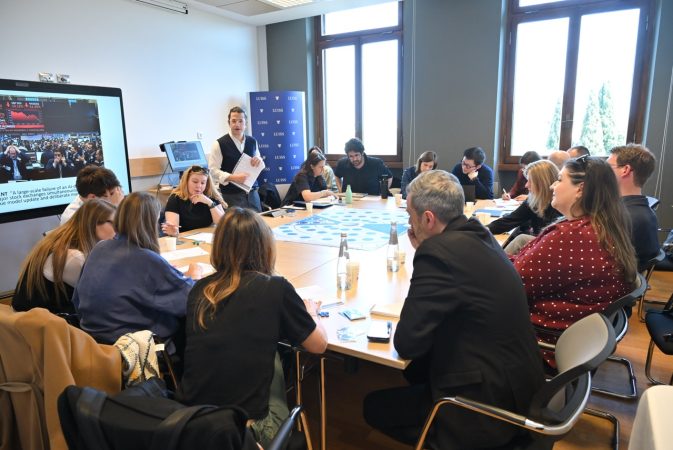
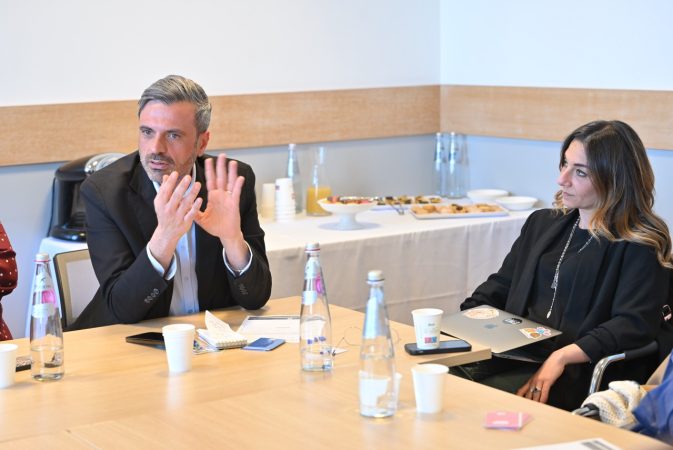
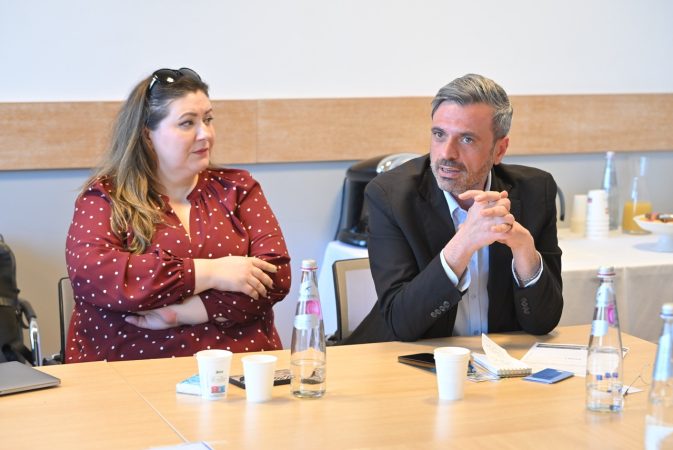
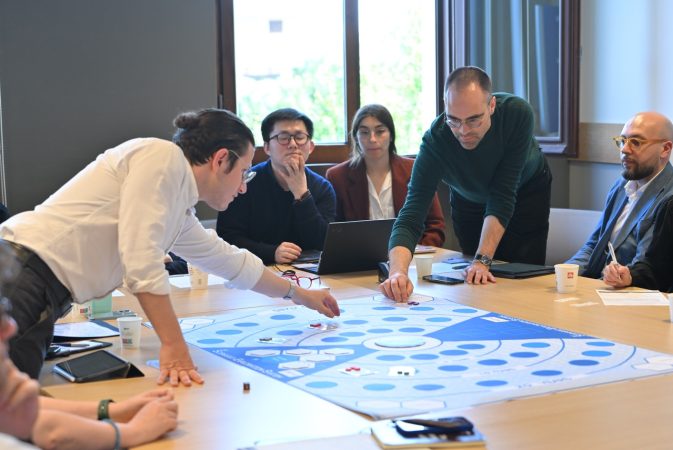
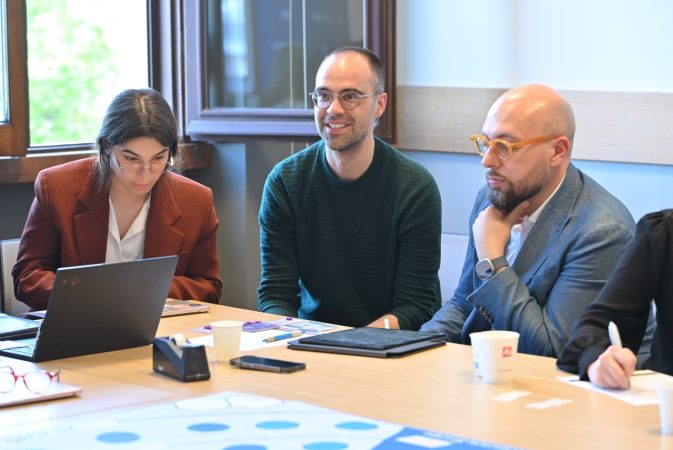
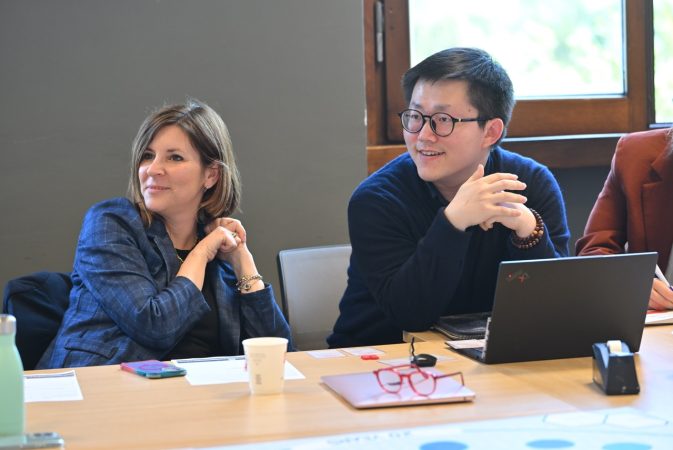
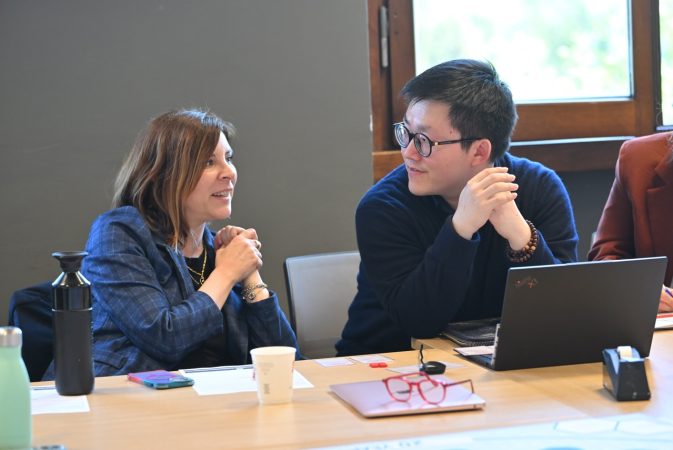
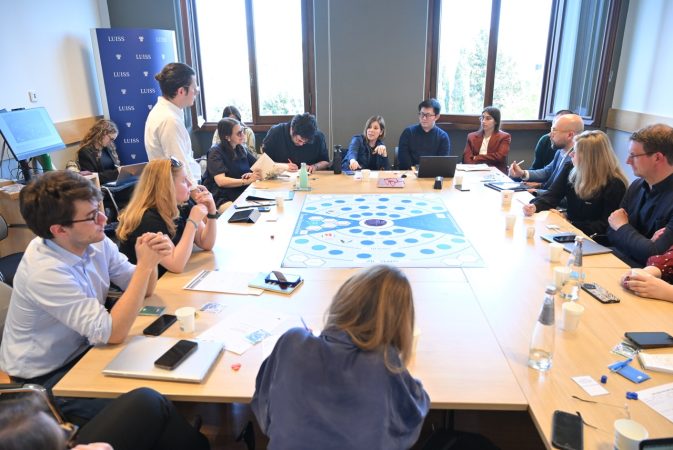
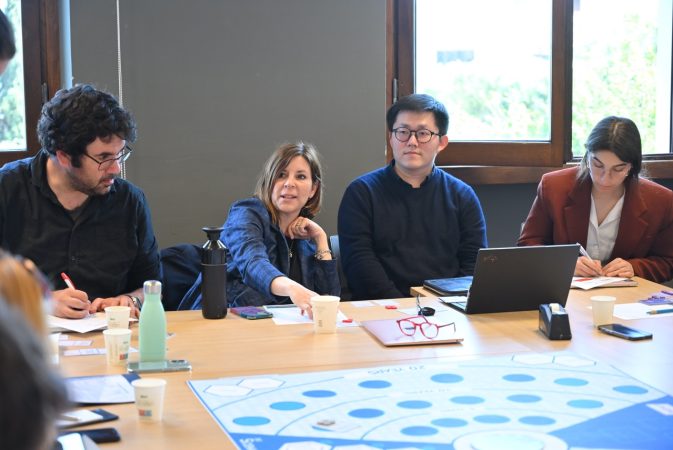
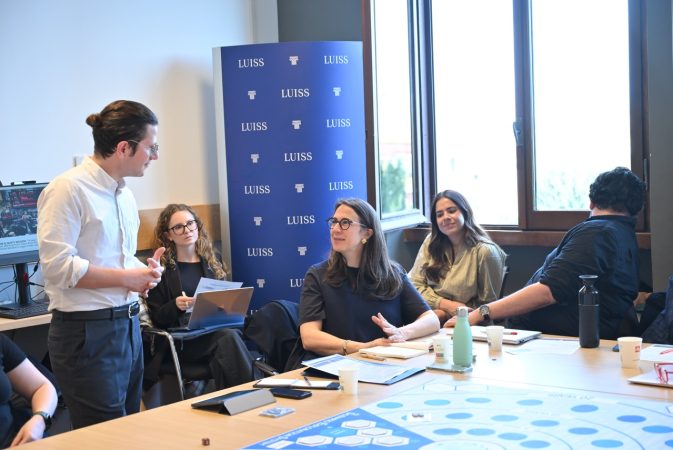
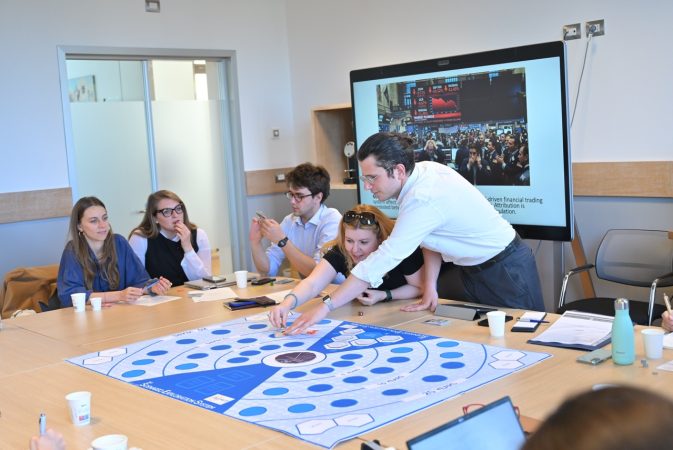
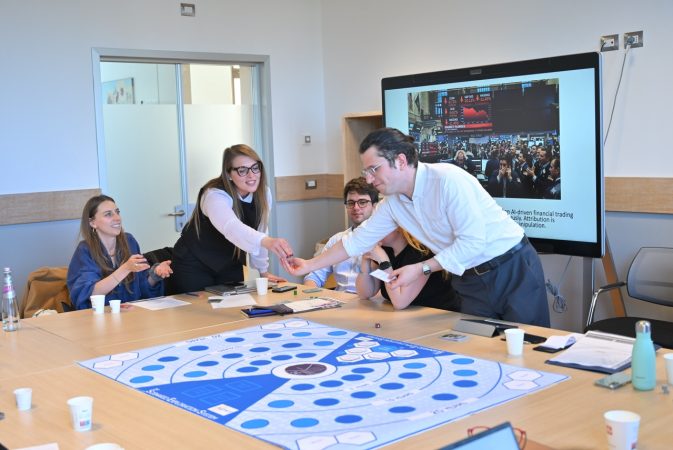
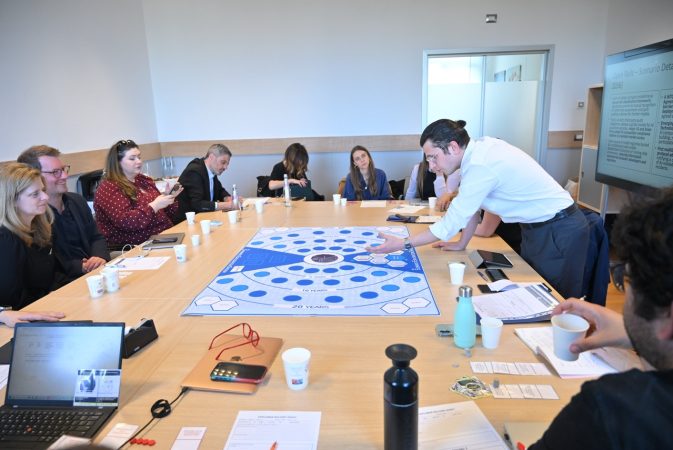
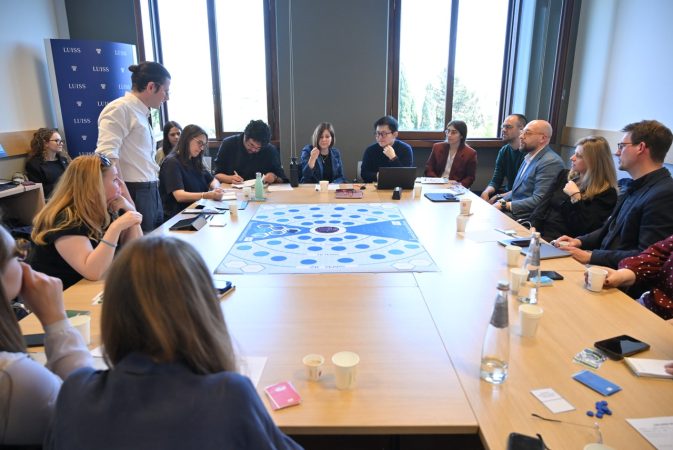
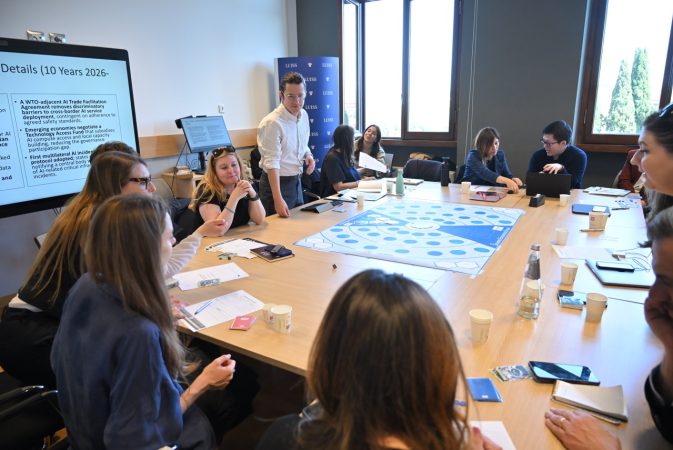
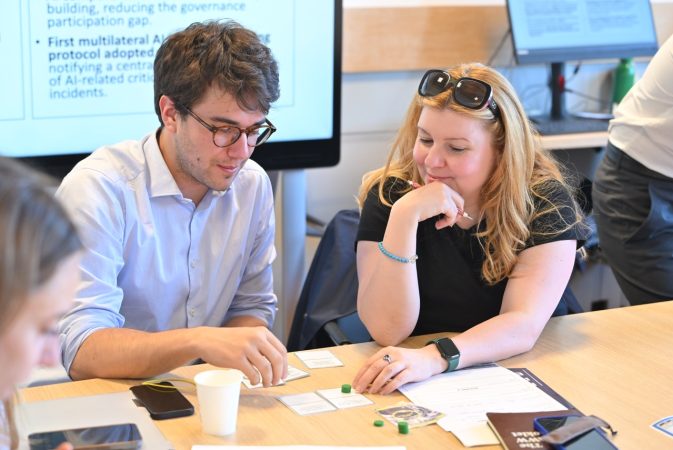
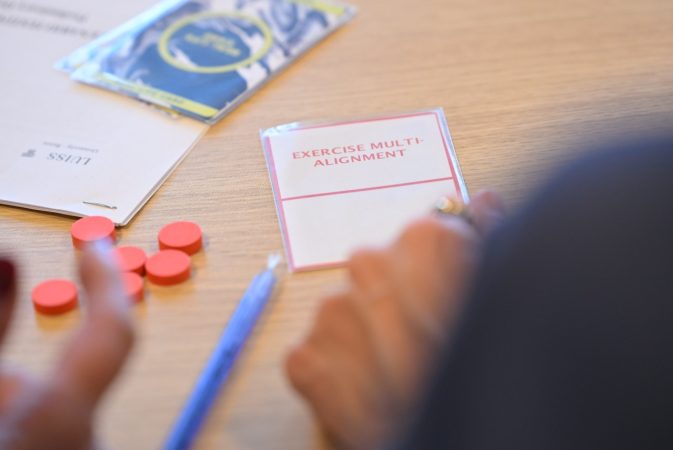
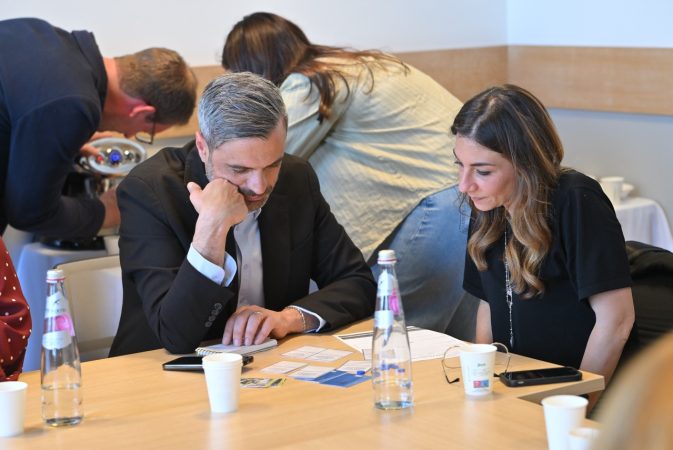
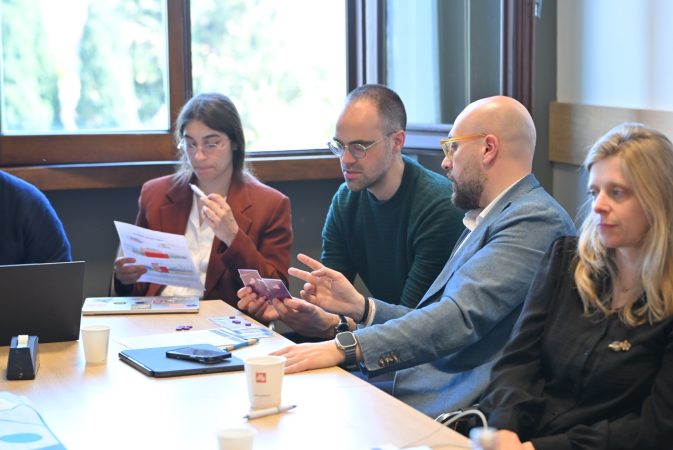
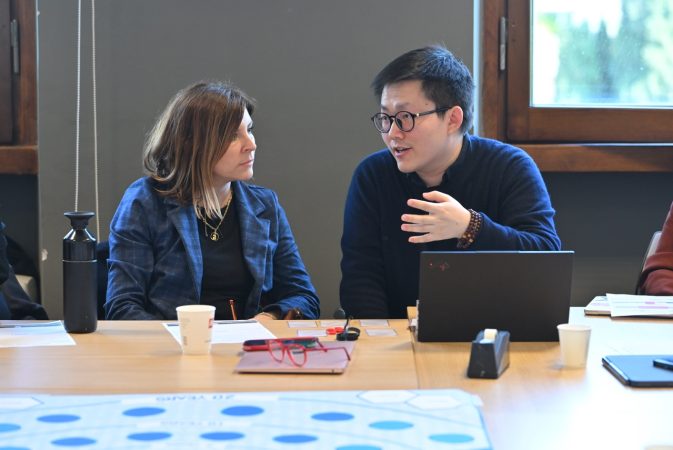
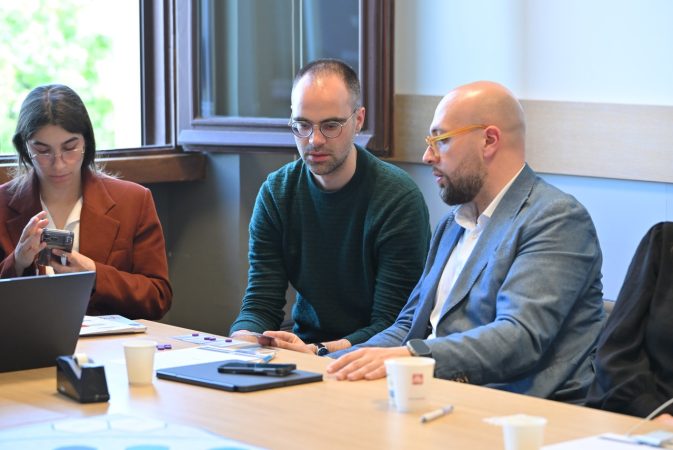
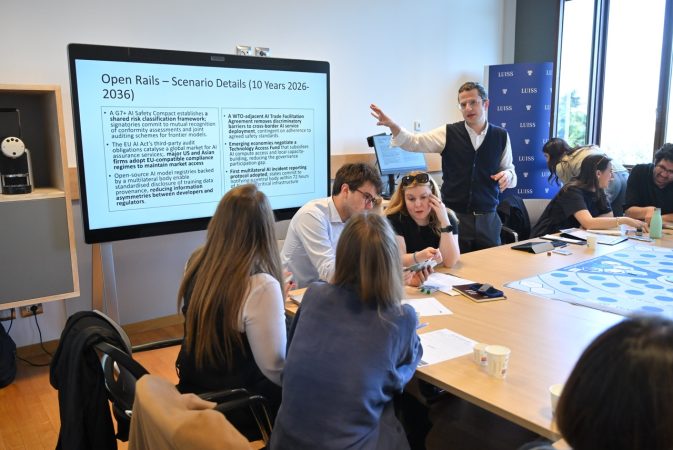
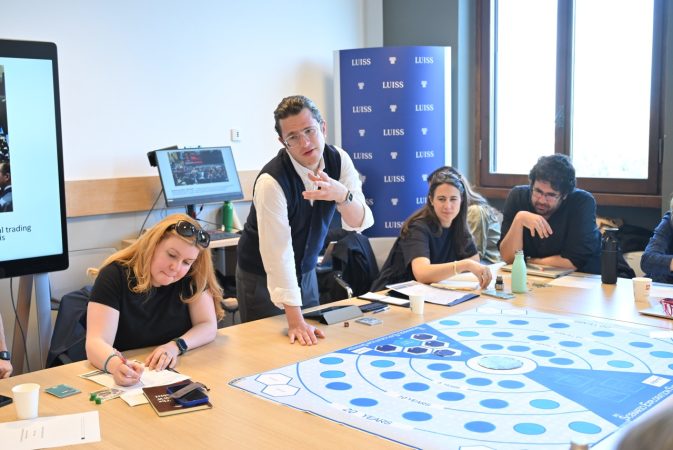
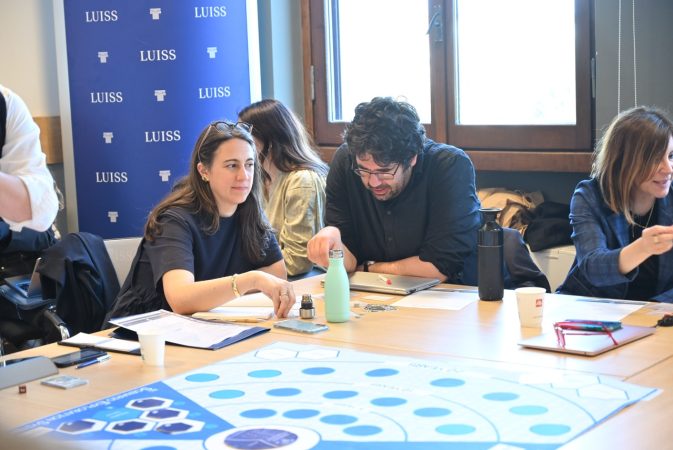
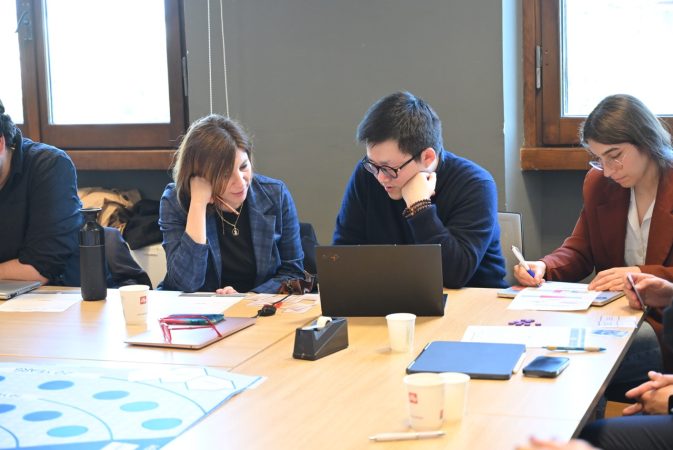
On April 14, 2026, the Luiss and the Luiss Research Centre for International and Strategic Studies hosted a REMIT Scenario Testing Workshop in Rome. The event built on the project’s previous methodological foundations, specifically following the workshops held in Rotterdam and Helsinki in 2025. The Rome STW convened a diverse group of experts and academics to simulate the complex geopolitical and economic pressures shaping the future of civilian AI governance.
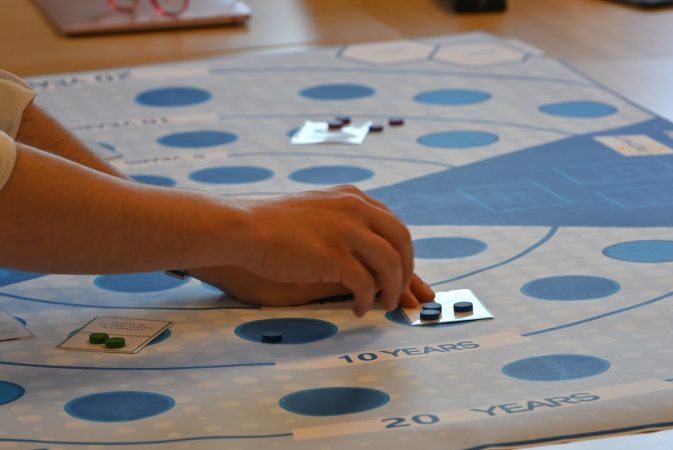
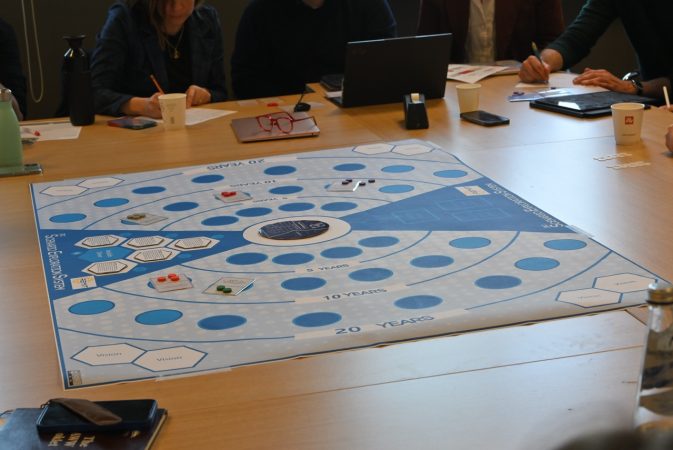
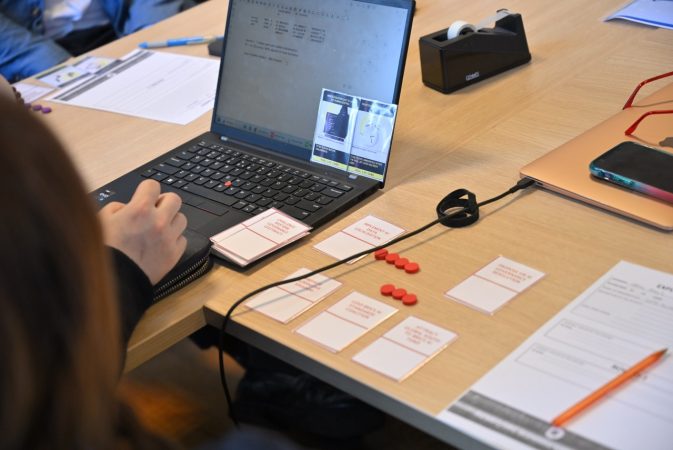
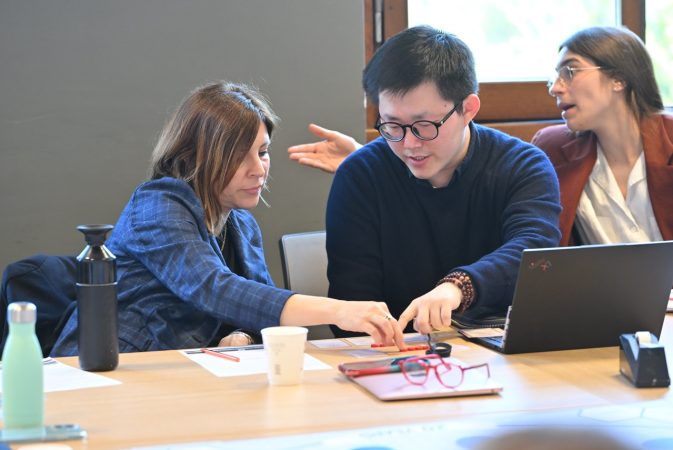
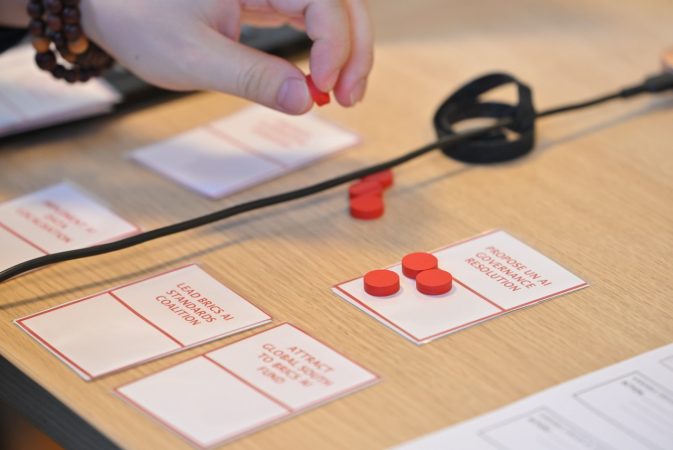
The workshop utilised a role-playing format where participants represented six pivotal actors in the global AI ecosystem: the European Union, the United States, China, the United Arab Emirates, the Global South, and transnational conglomerates labelled “Big Tech”.
The first scenario “Open Rails” envisioned a market-oriented multilateral world. It featured the establishment of a G7 + AI Safety Compact and the emergence of global AI assurance markets catalysed by the EU AI Act. In the fact of a major AI-driven financial trading failure, actors focused on interoperability and shared risk frameworks. The United Arab Emirates won this scenario through an approach which was rewarded by the Experts’ Team for its “broker” strategy, acting as a flexible technological hub and investment partner for the Global South, which allowed the United Arab Emirates to gain more influence than traditional superpowers.
In contrast, the second scenario “Opposing Views” explored a security-oriented and fragmented world defined by the decoupling of technological systems. Parallel standards and talent races created a hardened global environment. A supply shock caused by an earthquake affecting chip production forced actors to prioritise national capabilities. While the United States pursued a containment logic through export controls, the European Union attempted to navigate a third way but faced immense pressure to align with Washington. China emerged as the winner of the second scenario. Its focus on internal state capacity and the promotion of an alternative BRICS+ standard coalition proved more effective in a world where global multilateralism had broken down.
The Rome STW highlighted that the success of AI policy is often dictated by the geopolitical architecture it inhabits. While the European Union’s regulatory Brussels Effect remains a powerful standard-setting tool, it is insufficient on its own in a fragmented world without material incentives to keep middle powers and the Global South aligned. The simulation demonstrated that strategic effectiveness depends heavily on the ability to build partnerships under uncertainty. The European Union’s performance was occasionally hindered by a lack of decisive coalition-building compared to broker states like the United Arab Emirates. Ultimately, if global standards are not harmonised early, the high costs of dual-compliance will eventually force a permanent global choice between a United Stated-led or China-led technology stack.





Gallery by Daniele Zerbo Photography